

The Real Problem Isn’t Time
If you’ve ever said,
“I just need more time,”
you’re likely solving the wrong problem.
You don’t need more hours.
You need fewer things competing for your attention.
Look at a typical day:
- Too many tabs open
- Conversations always active
- Tasks started, rarely finished
- Notifications pulling you in every direction
You stay busy.
But progress stays slow.
That’s not a time issue.
It’s attention overload.
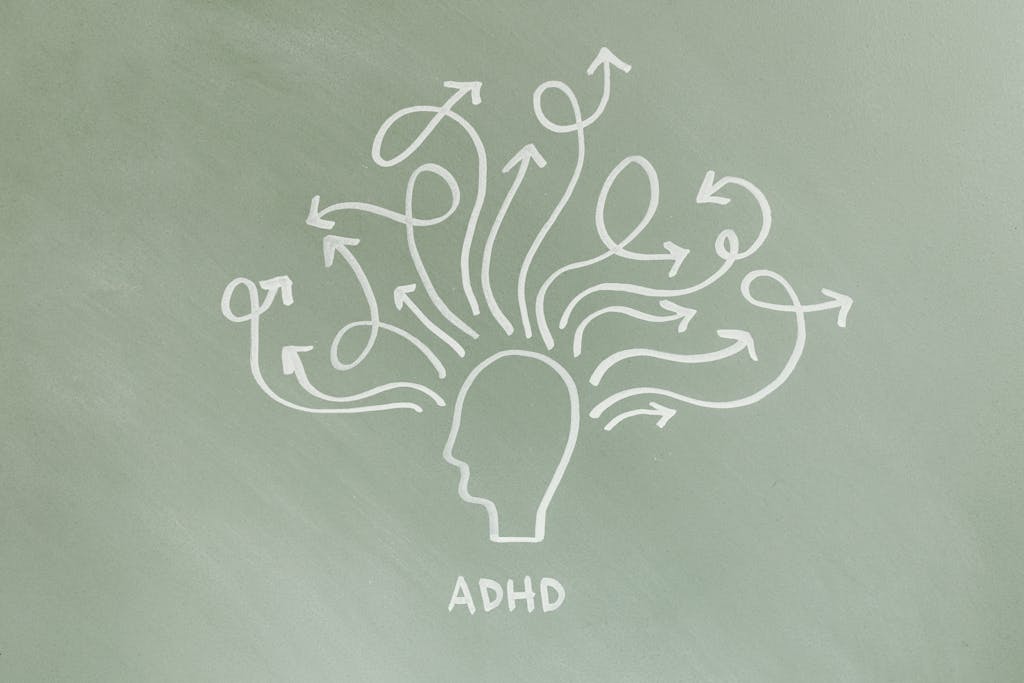
Every Open Tab Stays Open in Your Mind
Unfinished work doesn’t disappear—it lingers.
Even when you switch tasks, part of your brain is still holding:
- “I need to reply to that…”
- “Don’t forget this…”
- “I’ll come back to it…”
Each one adds weight.
Individually small.
Collectively exhausting.
More Inputs = Less Output
We tend to believe:
“If I stay on top of everything, I’ll be more productive.”
But constant input breaks momentum.
Every interruption:
- Resets your thinking
- Slows your execution
- Reduces quality
You’re not doing more.
You’re just switching faster.

The Shift: Reduce to Move Forward
Instead of asking:
“How can I do more today?”
Ask:
“What can I remove so I can finish something meaningful?”
Real productivity comes from clarity, not volume.
And the best systems aren’t the ones that add more—they’re the ones that filter, organize, and simplify what already exists
A Simple System That Works
Try this for one day:
1. Choose 3 Real Priorities
Not ten. Not “everything.”
Just three things that actually move the needle.
2. Clear Your Workspace
Close tabs. Silence noise.
If it’s not part of the task, it’s a distraction.
3. Finish Before Expanding
Before opening something new, ask:
“Can I close what’s already open?”
Completion builds momentum.
4. Control When You Communicate
Don’t let messages control your day.
Check them on your terms, in batches.
5. End Clean
Before you stop:
- Capture unfinished tasks
- Close mental loops
- Reset for tomorrow
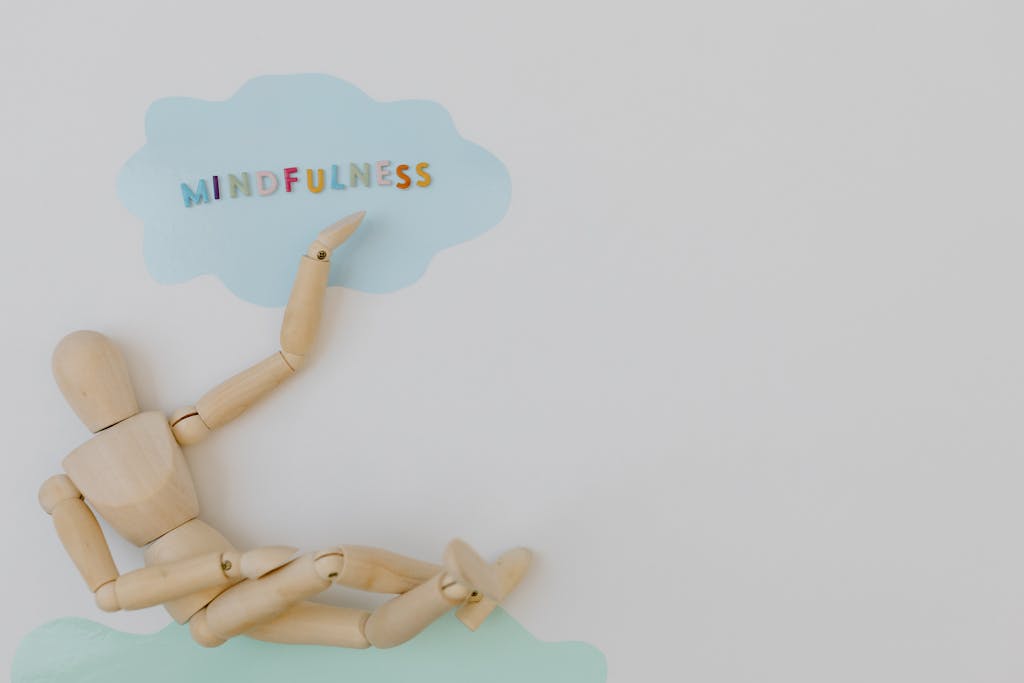
What Changes
When you reduce the noise:
- Work feels lighter
- Focus lasts longer
- Progress becomes visible
You stop reacting…
and start executing.
Final Thought
You don’t need more time.
You need fewer open loops.
Because productivity isn’t about handling more—
it’s about handling the right things, clearly and completely.